News and Articles

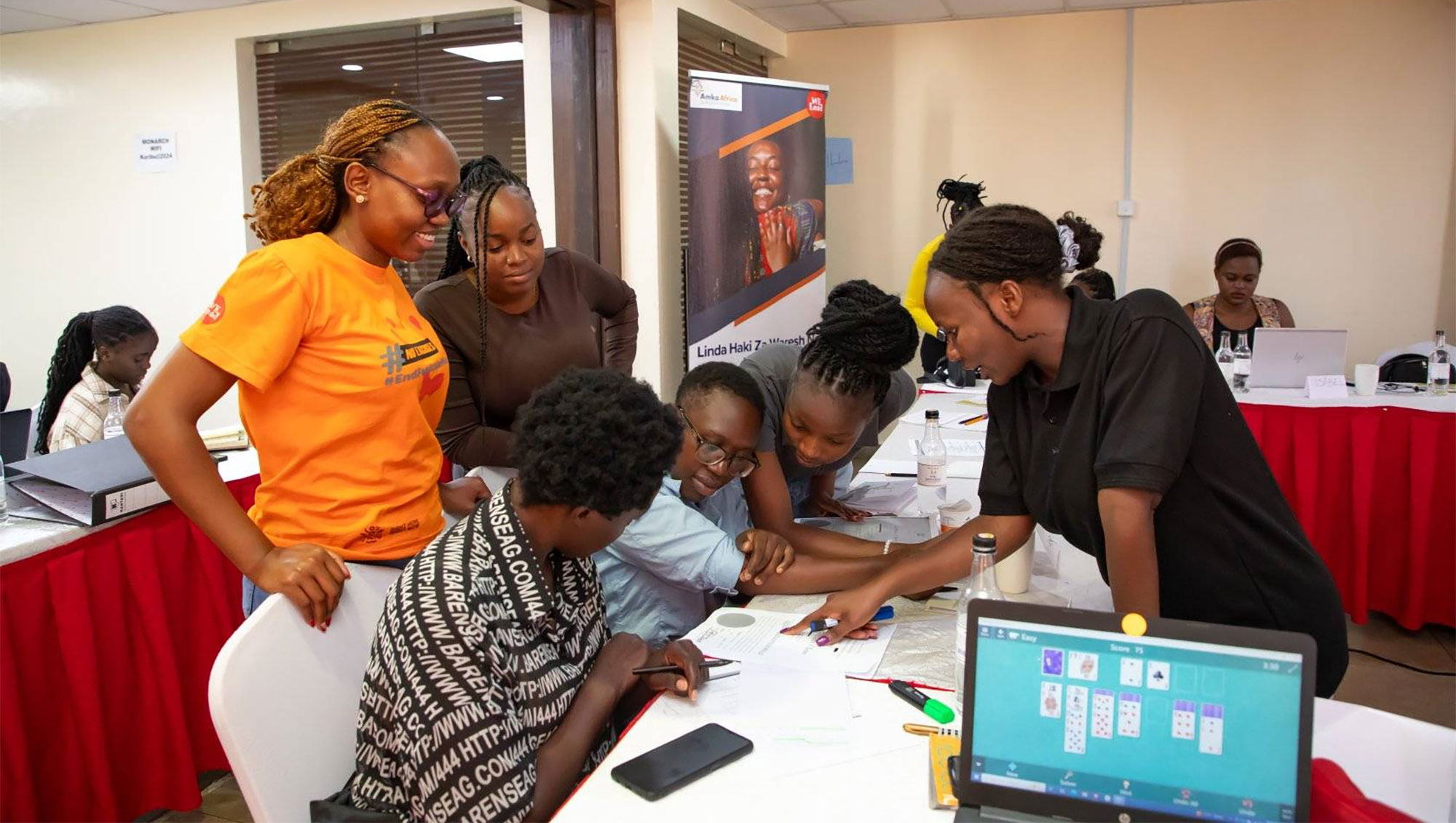
Exploitative child domestic work, is it a necessary evil?
Is child domestic labor a necessary evil? I didn’t expect to ask myself this question until I met Jane.
Disclaimer here, I do not condone any form of exploitative child domestic work, but I raise this question to spark dialogue on its realities. Around the table sat officials from Amka Africa Justice Initiative, lawyers, representatives from the children’s office and other law enforcement officers, and university legal aid clinic students like myself.
Why are we discussing measures to protect children in domestic work instead of ending this exploitative vice entirely? I asked myself. Children are vulnerable; for girls, the risks multiply.
Through my interaction with the university legal clinic and Amka Africa, I had interacted with stories of young girls employed in households as domestic workers, only to be sexually assaulted, defiled, impregnated and silenced. The victims would go to report the matter, only to discover perpetrators had already “sweet-talked” the police, money talks, or as we like to say nganji ndio inabonga!!
Read More
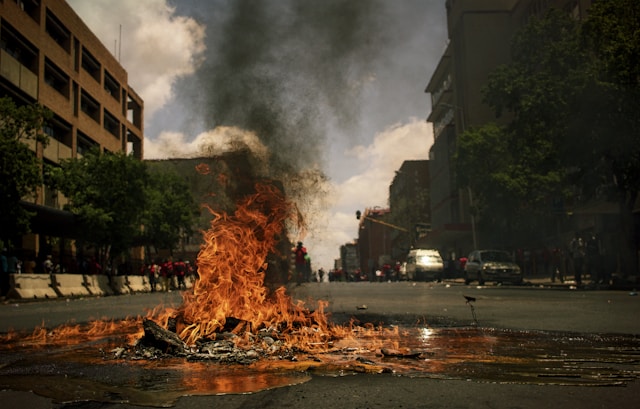
Behind the Protests Mask in Kenya, Extrajudicial killings, Abductions and Court Sanctioned Militarization of the Freedom to Demonstrate
On 25th June 2024, the world watched in admiration as thousands of Kenyan people led by the youths, especially Generation Z ‘Gen Z’, staged spectacular protests against the government’s Finance Bill 2024. Unlike previous protests in Kenya, which are traditionally elite-led, the ‘Gen Z’ demonstrations espoused no political, tribal or class leaning and were supported by the majority of Kenyans, including religious institutions, often seen as strong supporters of the Ruto presidency.
Read More

Joint Statement: Discrimination of Deaf Persons on the Issuance and Renewal of Driving Licenses
We, the undersigned organizations committed to the full and equal enjoyment of human rights by persons with disability, express our deep concern over the recent trend and practice of denying deaf persons the issuance and renewal of driving licenses and provisional driving licenses by the National Transport and Safety Authority (NTSA).
Read More
Modern Slavery: The Problem is right under our noses
The universal definition of slavery is the holding of individuals against their will for forced labor and with restricted liberty. Many at times we hear of the term slavery and
immediately click back to the 16 th century when our ancestors were forcefully taken, sold and transported across the Atlantic to work in the west. However, as times go by, many elements have evolved. It therefore goes without say that slavery has also evolved.
Read More
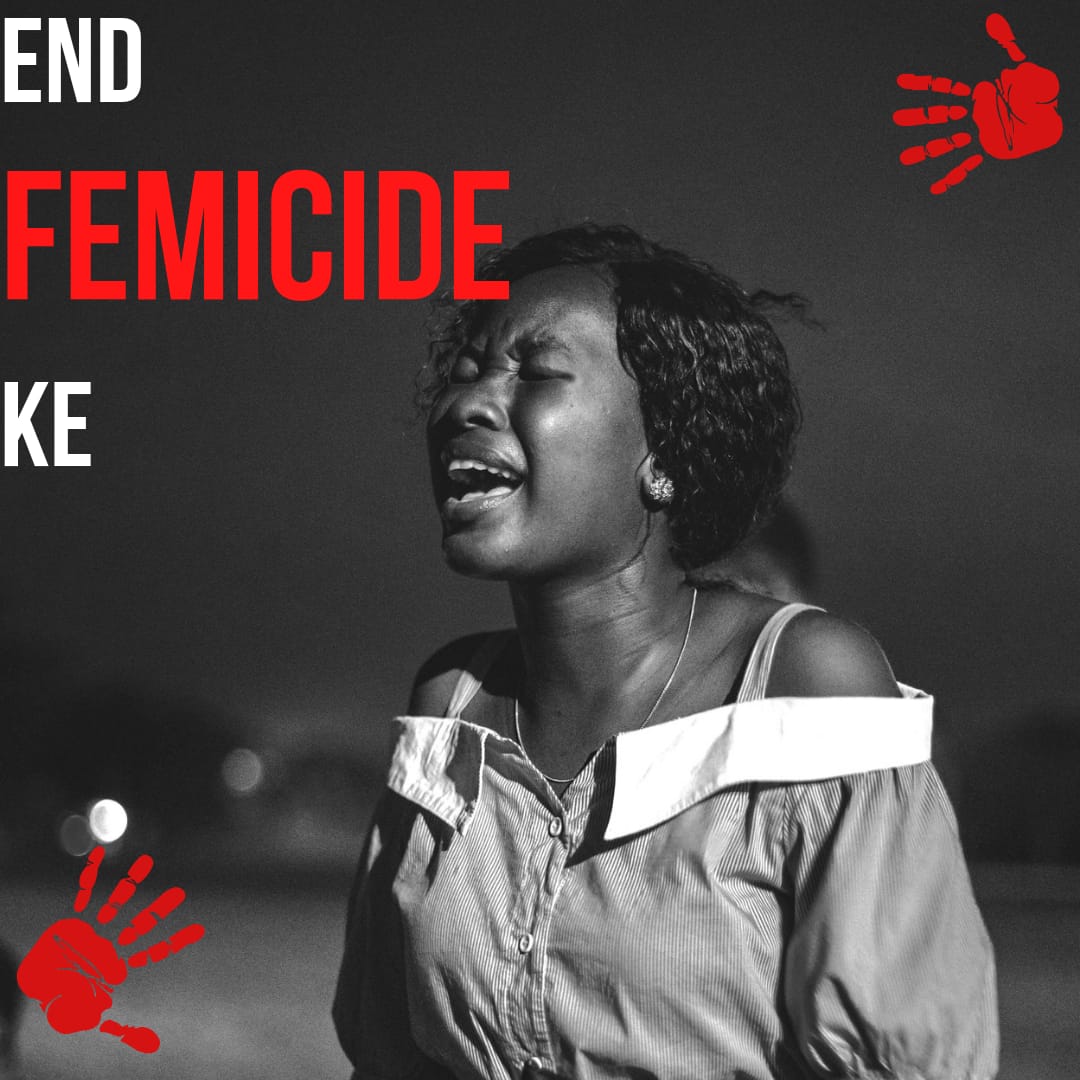
SILENCING TOXICITY: Unmasking the Link Between Toxic Masculinity, Femicide and a Call for Transformation in Kenya
In recent times, Kenya has witnessed a disturbing surge in femicide, with women falling victim to heinous acts of violence. This alarming trend demands a critical examination of the root causes behind such acts, revealing a deeply ingrained issue: toxic masculinity. Drawing insights from global examples, including Mexico and Austria, and using the lens of the recent gruesome murders in Kenya, this article seeks to explore the link between toxic masculinity and femicide, shedding light on the urgent need for transformative change.
Read More